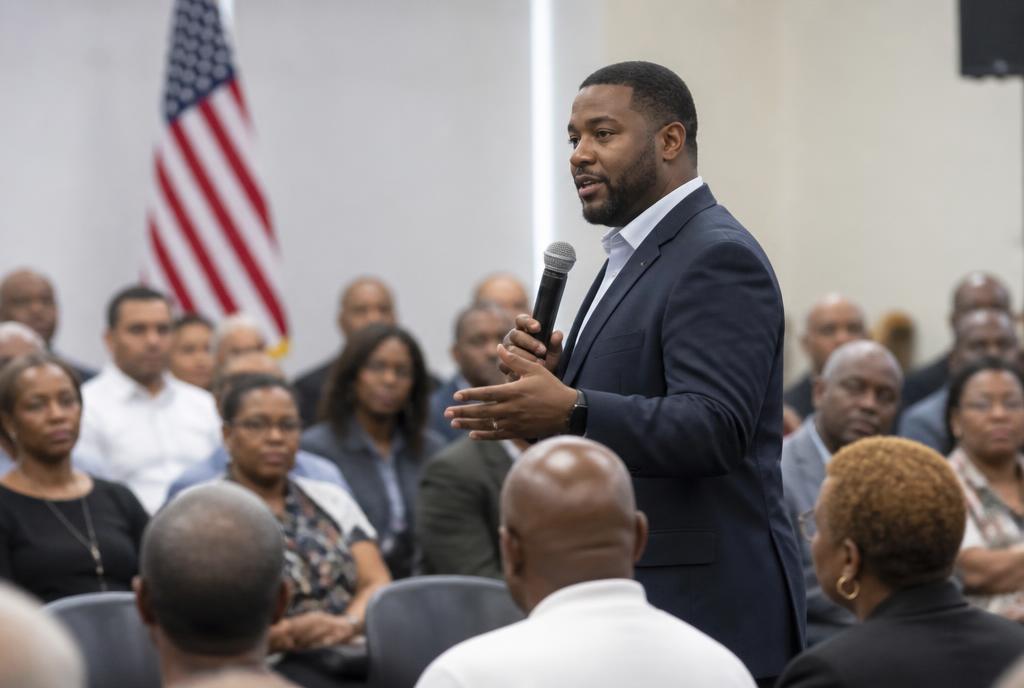
A lot of Christians can name their pastor, their coworkers, and their kids' coaches — and still not name one person who knows what they are actually carrying. That is a problem worth naming plainly.
Isolation is the default, not the exception
Adult friendship takes deliberate effort. Work, commutes, and family logistics fill the calendar, and the friendships that once formed naturally in school or the military now require scheduling. Without intention, a believer's circle quietly shrinks to the people they are obligated to see.
The cost shows up slowly: fewer people to think out loud with, fewer people to ask hard questions, and no one close enough to notice when something is wrong.
Community is a biblical pattern, not a program
Scripture assumes believers are known by other believers. Iron sharpens iron. Confess your sins to one another. Bear one another's burdens. None of that happens at a distance or in a crowd — it happens in a small, consistent group of believers who show up over years.
That kind of friendship is not built on shared politics or hobbies. It is built on a shared commitment to Christ and a willingness to be honest.
What a healthy community group looks like
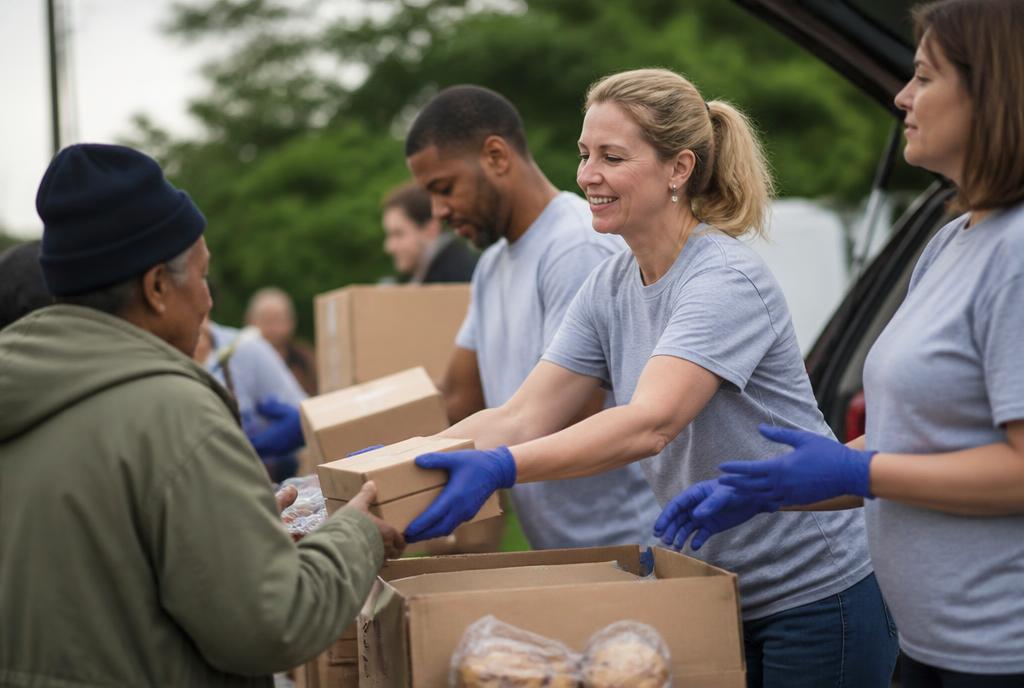
It meets consistently, at a set time, whether or not everyone can make it. It opens the Bible rather than only trading opinions. It makes room for accountability without turning into surveillance. And it produces action — service projects, showing up at hospitals and funerals, helping a neighbor move or repair a roof.
It also has a door. A group that never welcomes a new face becomes a clique, and a clique cannot disciple anyone.
How to take the next step
Start where you are. Invite two people from your church to meet weekly for eight weeks. Read one book of the Bible together. Serve one afternoon together. Then decide whether to keep going.
If you want structure and a wider network of Christians doing the same thing, that is exactly what America First Christians is being built to provide.